

 Engels
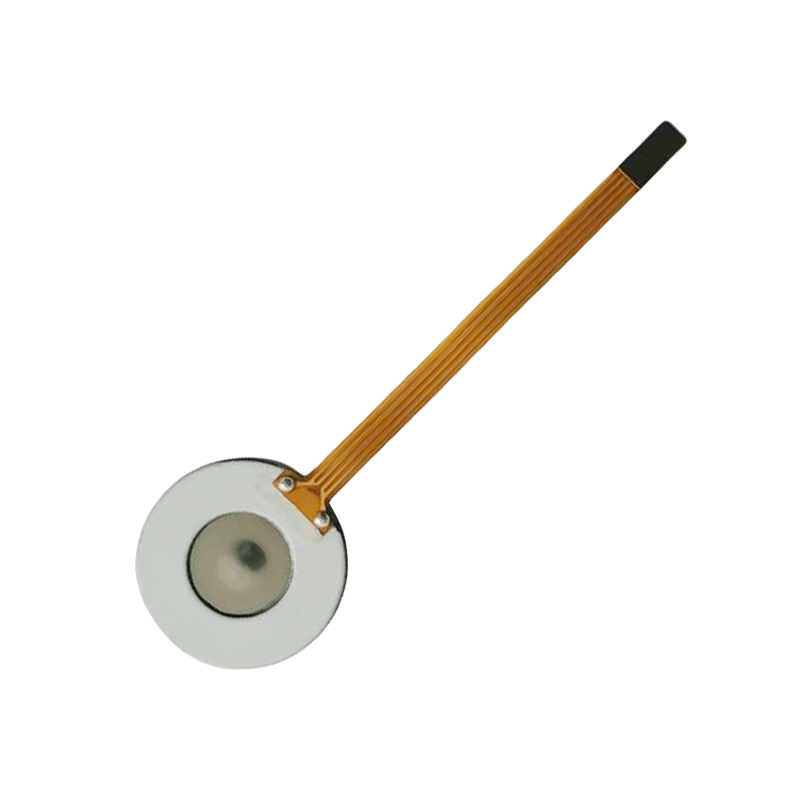
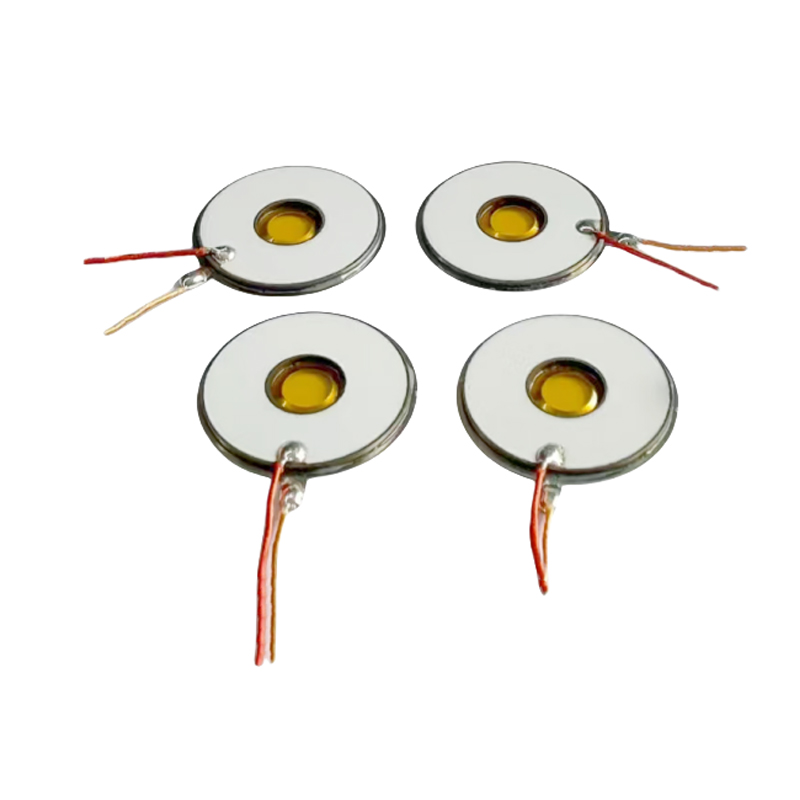
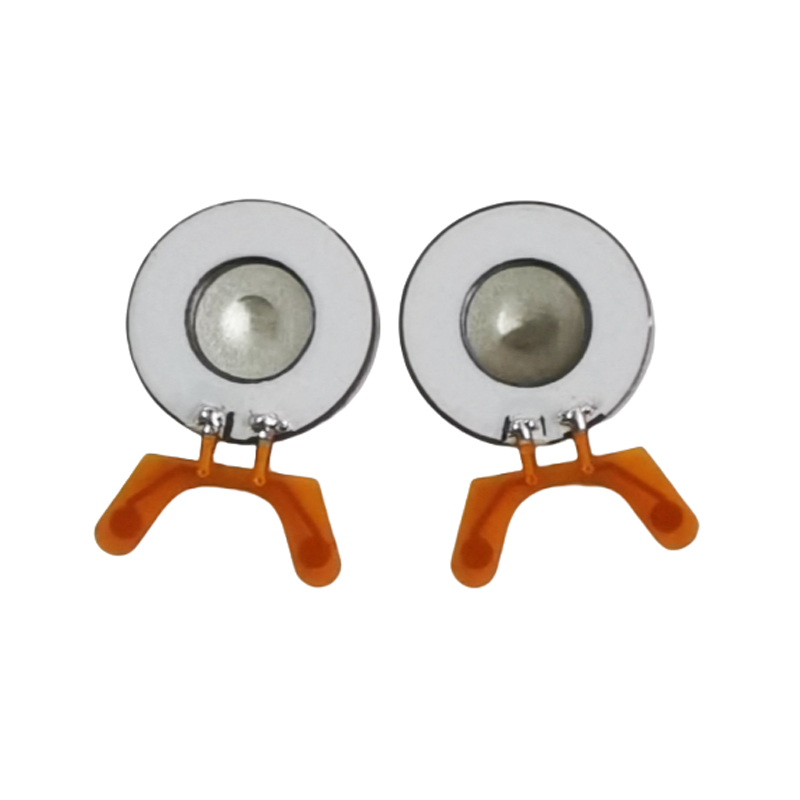
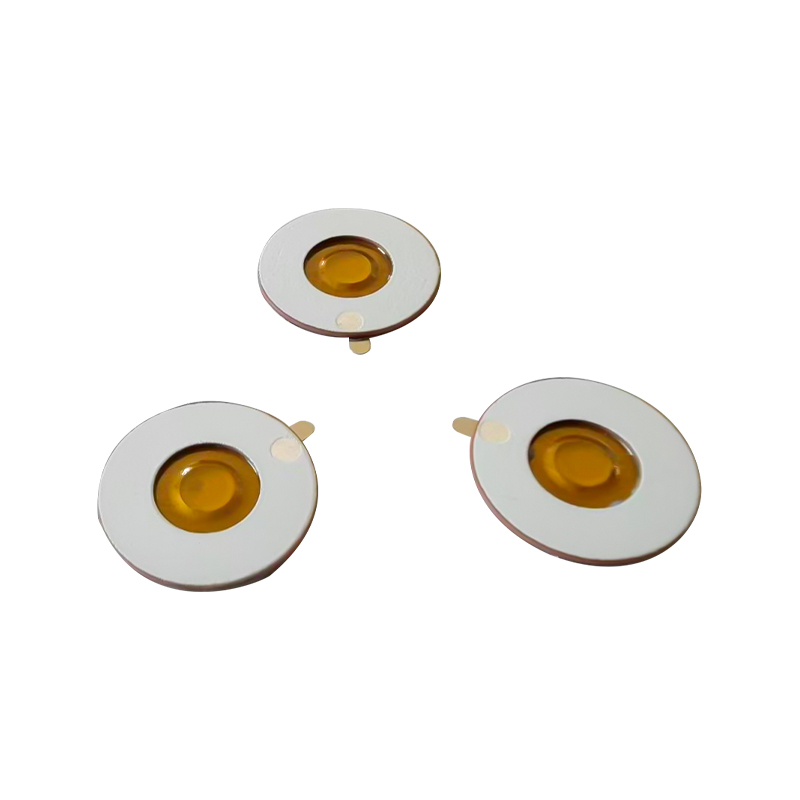
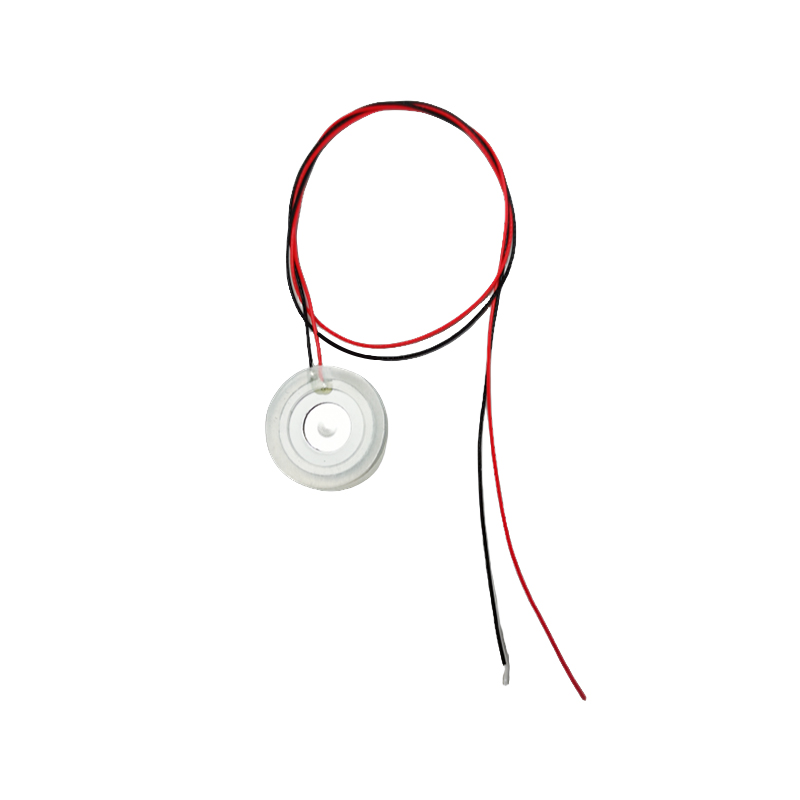
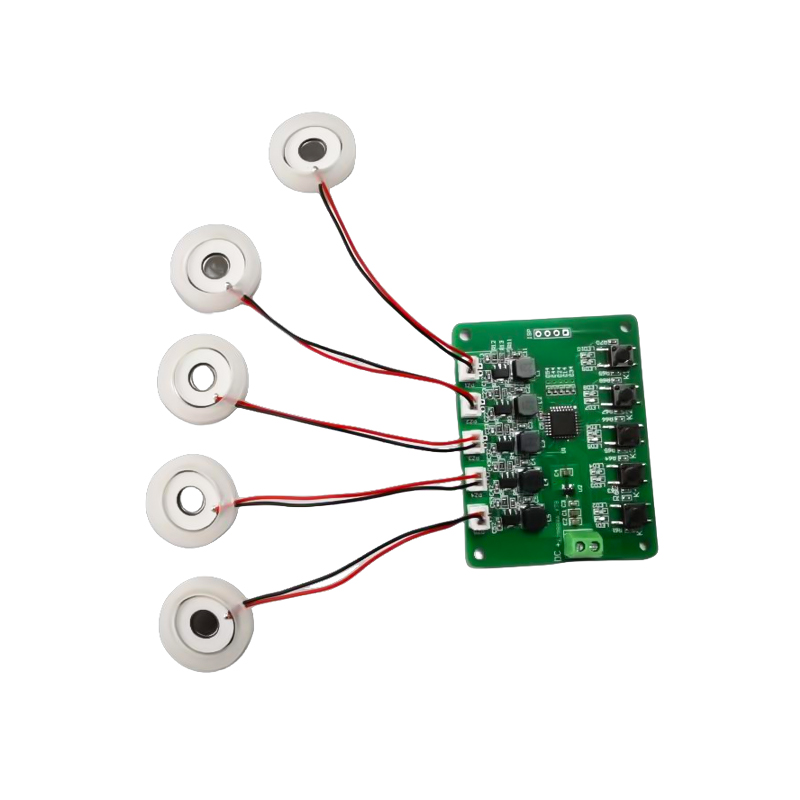
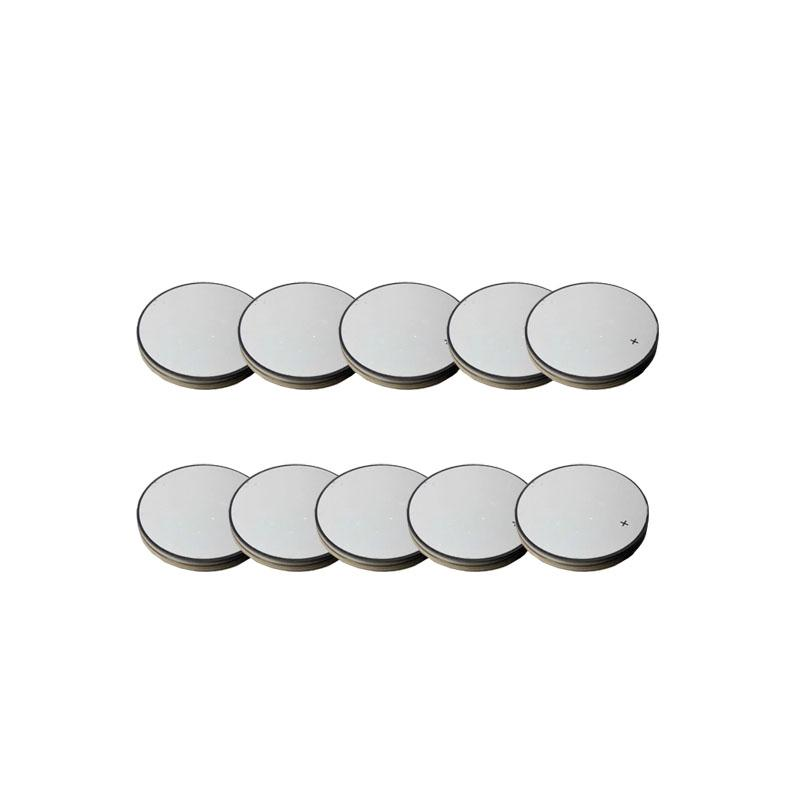
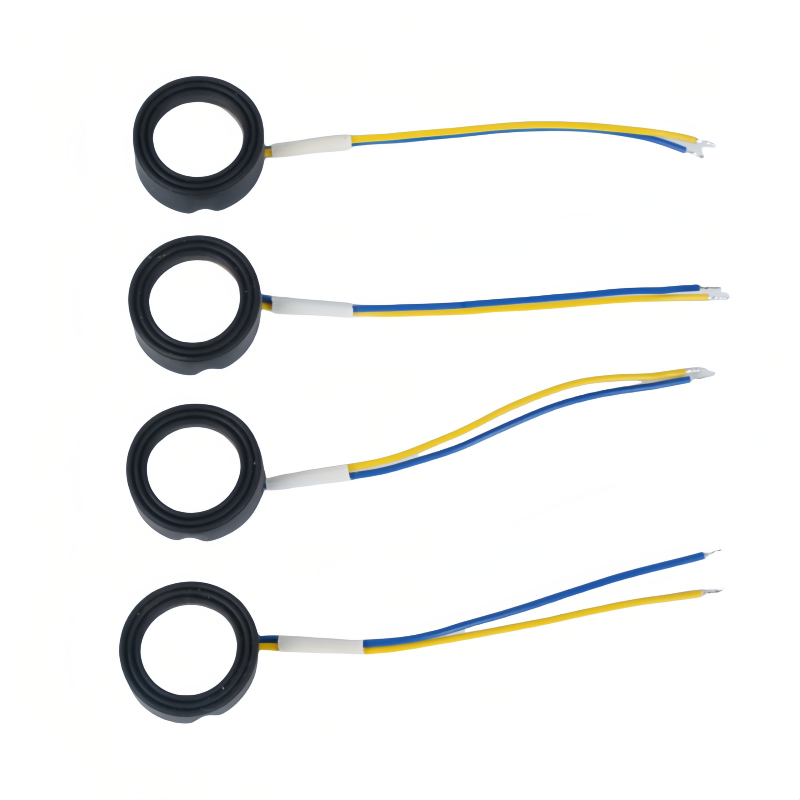
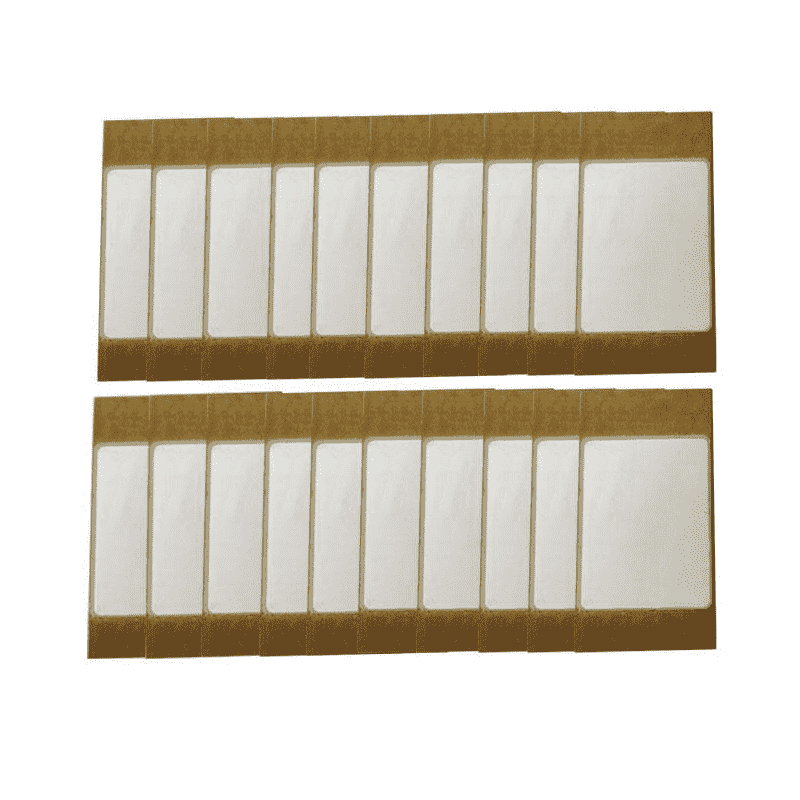
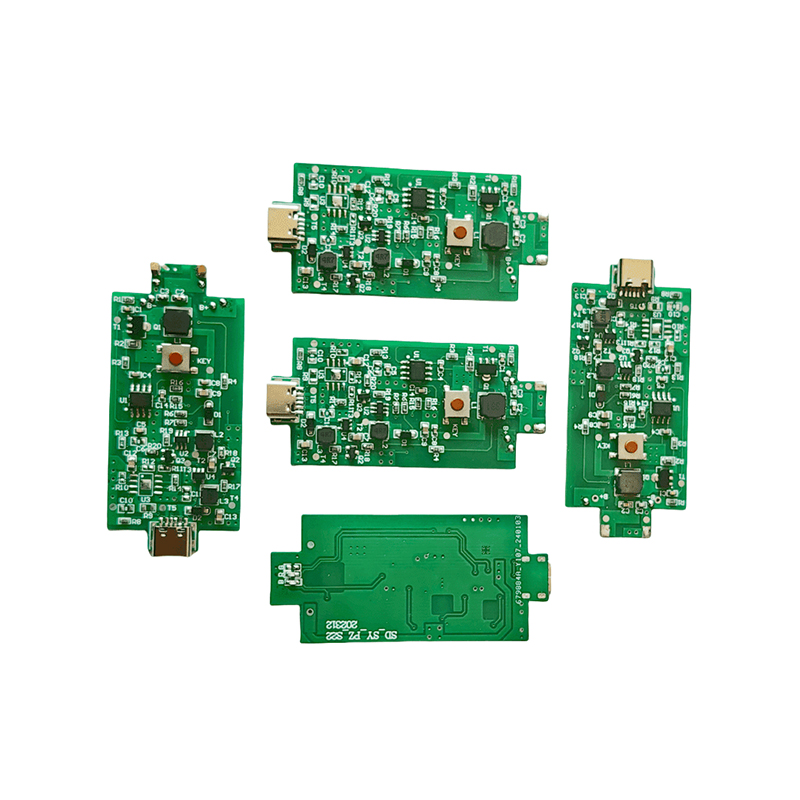
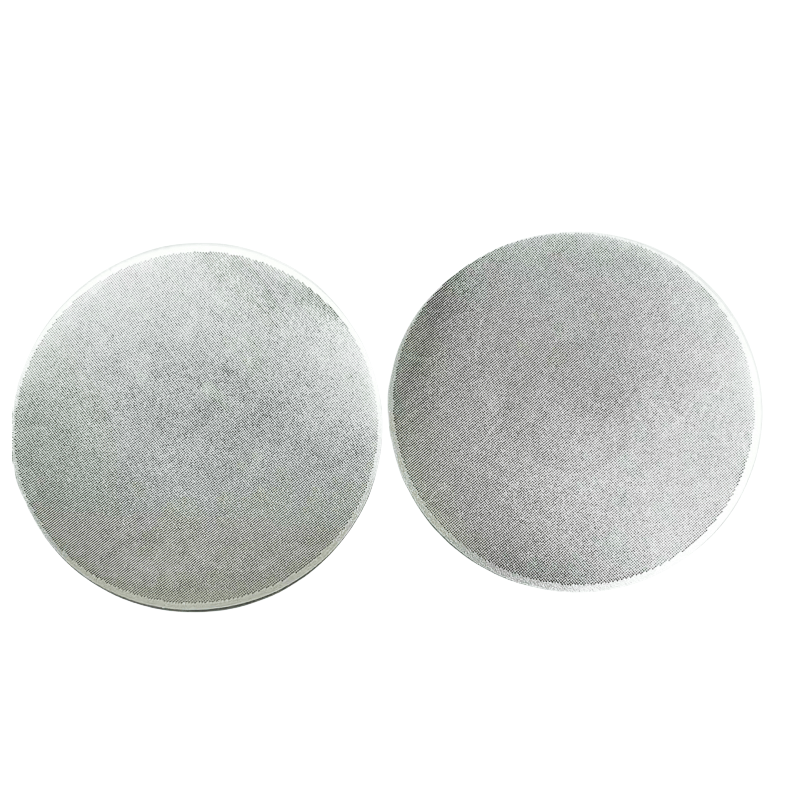
Ultrasone hoogfrequente piëzo-verstuiverschijf Fabrikanten
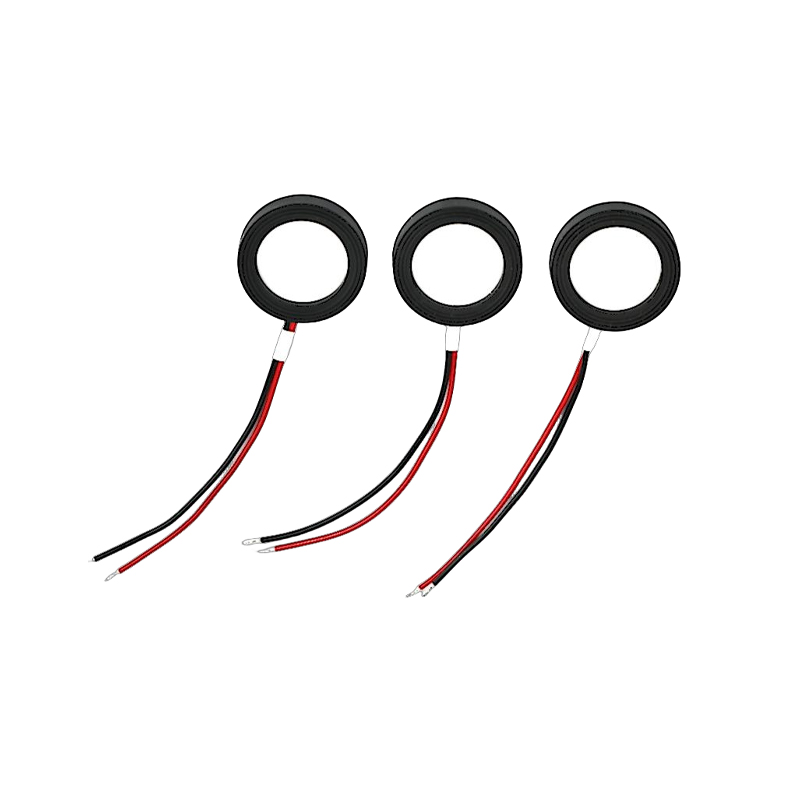
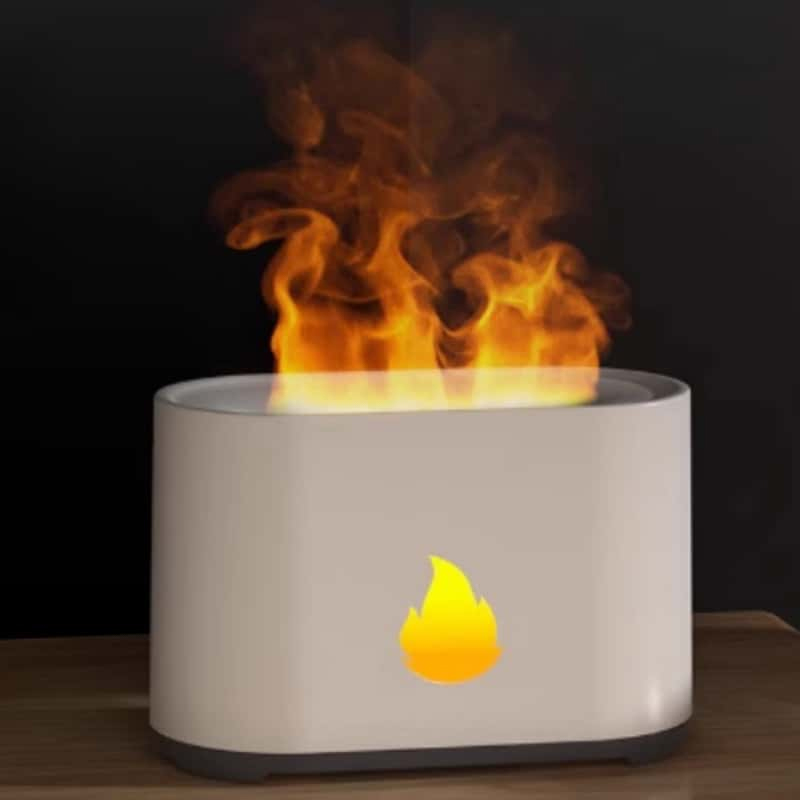
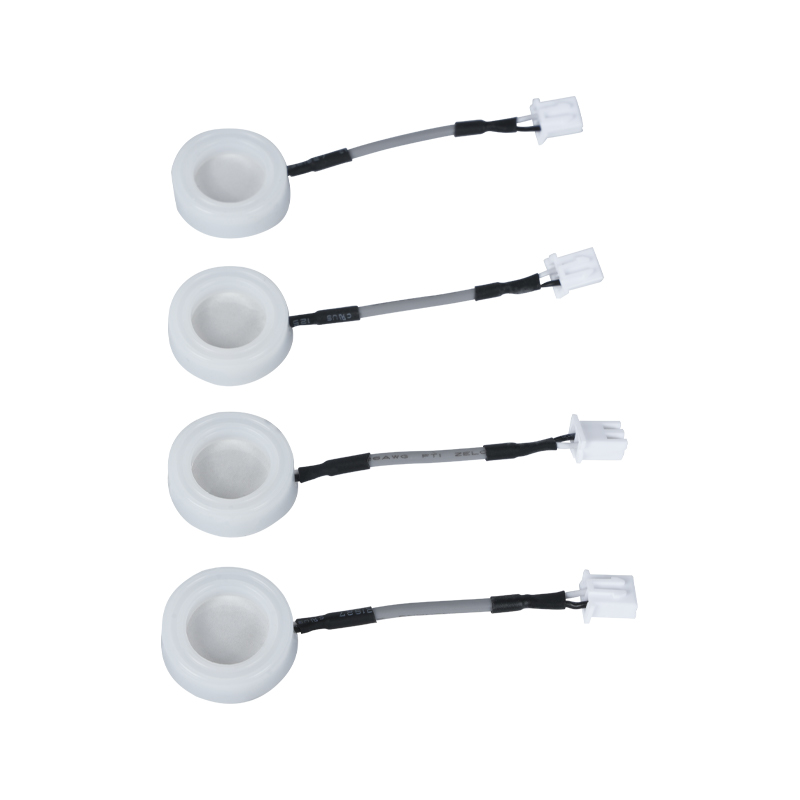
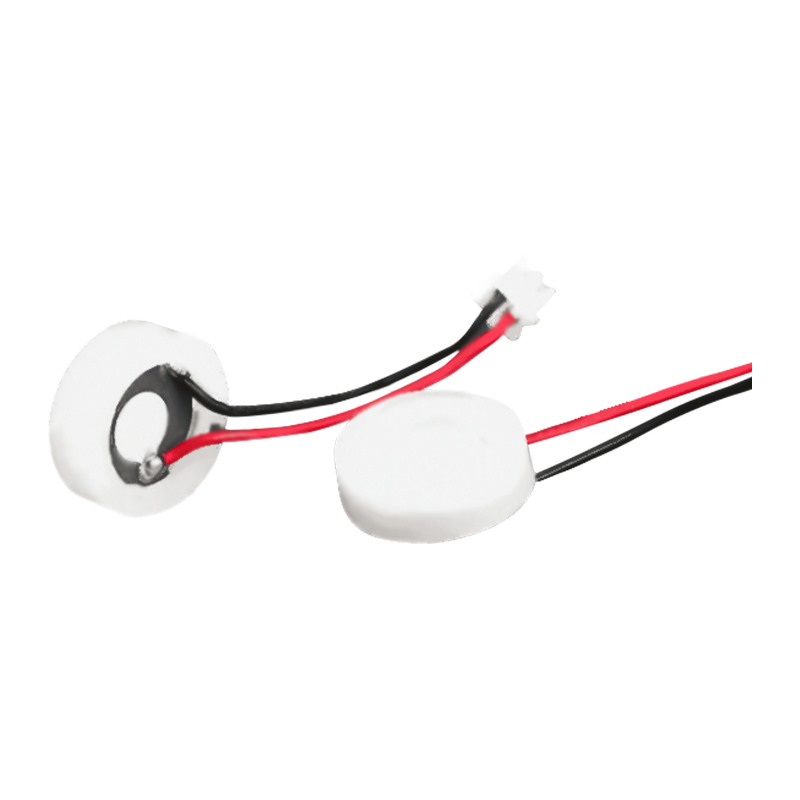
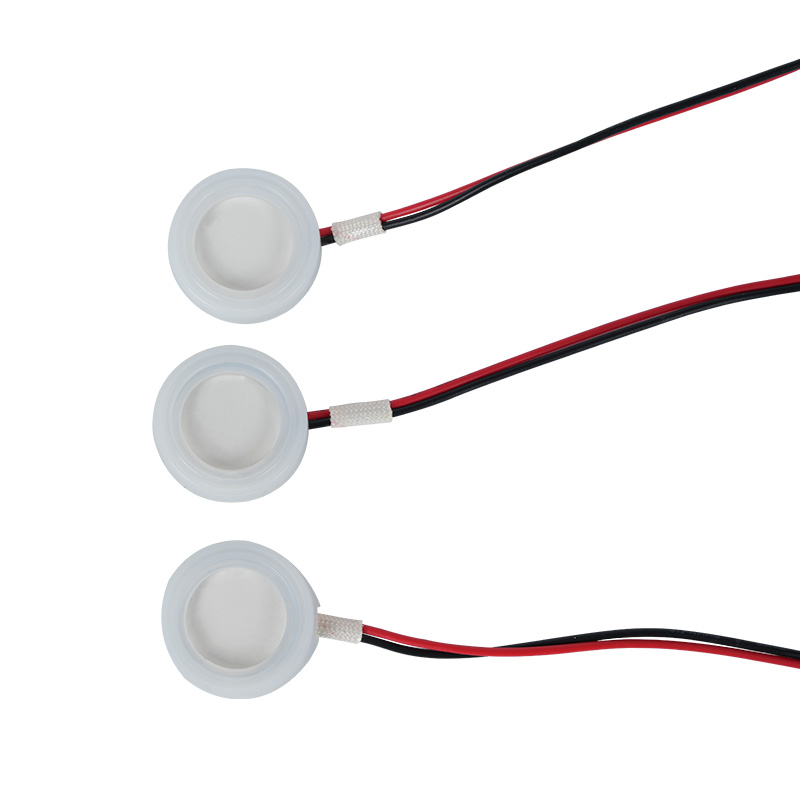
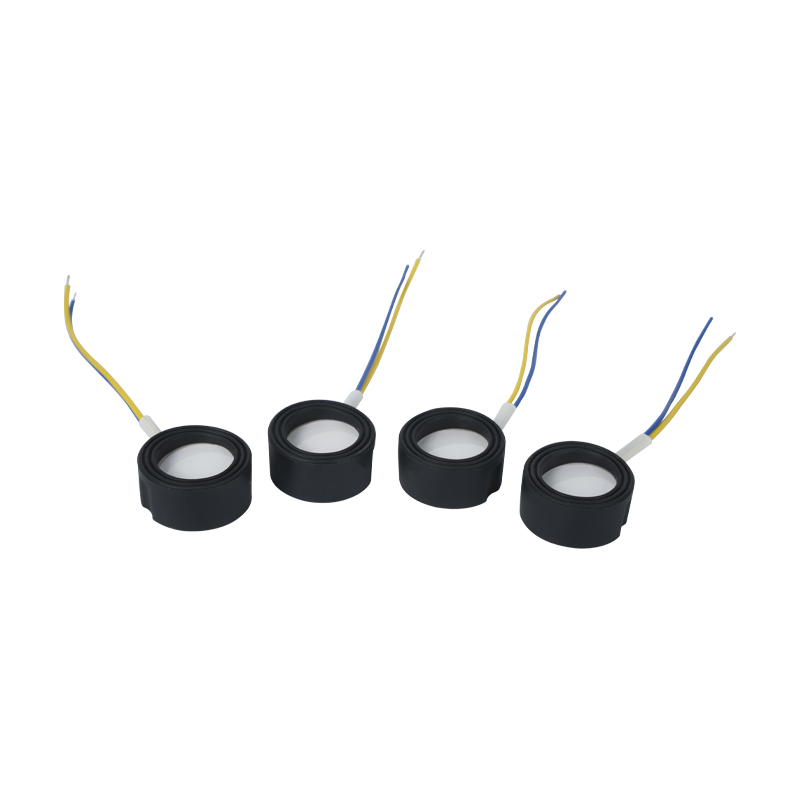
Ultrasone verstuiver is een apparaat dat het principe van ultrasone trillingen (energieconversie) gebruikt om vloeistof in kleine druppeltjes om te zetten. Het werkingsprincipe is de unieke piëzo-elektrische eigenschappen van de piëzo-elektrische keramiek van de beslissing, het vernevelingsstuk bij de ontvangst van bijpassende excitatie van het elektrische veldsignaal zal de overeenkomstige oscillatiefrequentie produceren, door de rol van hoogfrequente trillingen van de vloeistofcavitatie die van het wateroppervlak wordt weggegooid om een soort watermistdeeltjes te produceren, verstoven met een groot aantal negatieve ionen en kleine deeltjes moleculen, kan bereiken een toename van de luchtvochtigheid, de rol van frisse lucht.
Het oppervlak van de verstuiver is bedekt met glasachtig email bij een hoge temperatuur van 800 graden om de zilveren elektroden van de piëzo-elektrische plaat te beschermen, de zuur- en alkalibestendigheid en oxidatieweerstand van de verstuiver te vergroten en de levensduur van de verstuiver te verlengen. Op grote schaal gebruikt in luchtbevochtigers binnenshuis, luchtreinigers, behandeling met medische vernevelaars en schoonheidsauto's, e en andere gebieden, maar ook geschikt voor magazijnen, fabrieken, bevochtiging, desinfectie, om de atmosfeer van bevochtigingsapparatuur te creëren. Fogging-tabletten worden voornamelijk gebruikt in industriële bevochtiging, medische verneveling, aromatherapie-verneveling, omgevingsbevochtiging, tuinverneveling en andere scènes.
Saida Piezoelectric is een wereldwijd gerenommeerde technologieonderneming die gespecialiseerd is in de productie en fabricage van medische verstuivingsproducten, wij zijn China Ultrasone hoogfrequente piëzo-verstuiverschijf Fabrikanten en Aangepast Ultrasone hoogfrequente piëzo-verstuiverschijf Bedrijf, Wij zijn toegewijd aan de innovatie, onderzoek en ontwikkeling, en promotie van ultrasone piëzo-elektrische keramiek, loodvrije verstuivingsproducten, elektronische componenten, en gerelateerde PCBA-ontwerpoplossingen. Ons doel is om de levenskwaliteit van mensen te verbeteren door middel van technologie, en een efficiëntere, groenere en duurzamere toekomst voor de samenleving te realiseren.
Sinds de oprichting in april 2011 staat het bedrijf voorop in technologische ontwikkeling, met een uitstekend onderzoeks- en ontwikkelingsteam, geavanceerde productie- en fabricageapparatuur, en precisietestapparatuur. Wij bestrijken een breed scala aan ultrasone verstuivingsproducten in ons vakgebied, waaronder loodhoudende en loodvrije medische inhaleerbare verstuivingstabletten, luchtbevochtiger verstuivingstabletten, essentiële olie verstuivingstabletten, industriële verstuivingstabletten, evenals sensorproducten gerelateerd aan ultrasone piëzo-elektrische en PCBA-aandrijvingsoplossingen. Wij richten ons niet alleen op diepgaand technologisch onderzoek en ontwikkeling, maar passen ook actief technologische prestaties toe in het dagelijks leven, zodat technologische producten echt de samenleving kunnen dienen en ten goede komen, waardoor de wereld spannender en mooier wordt.
Certificering

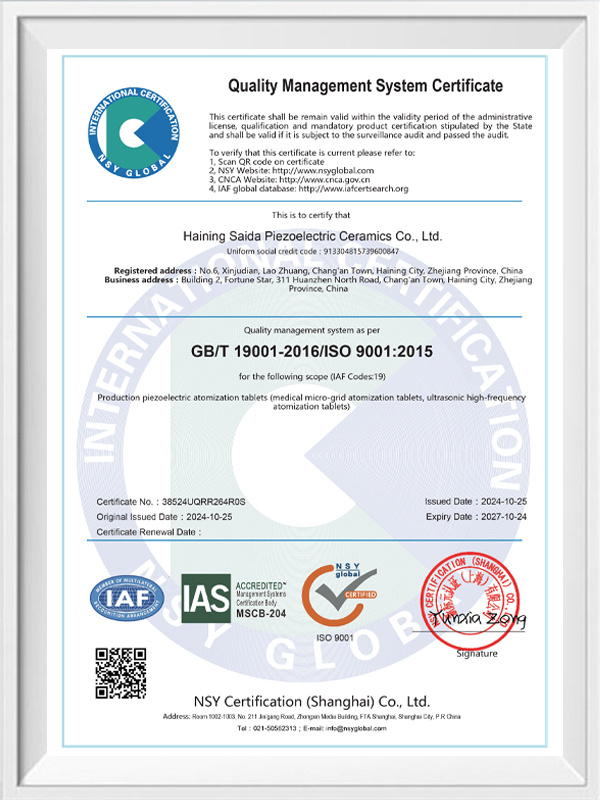
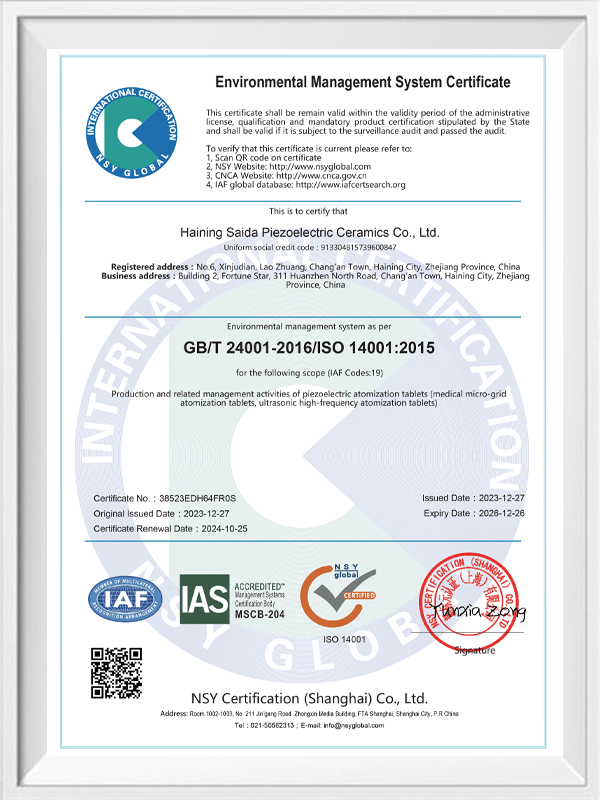
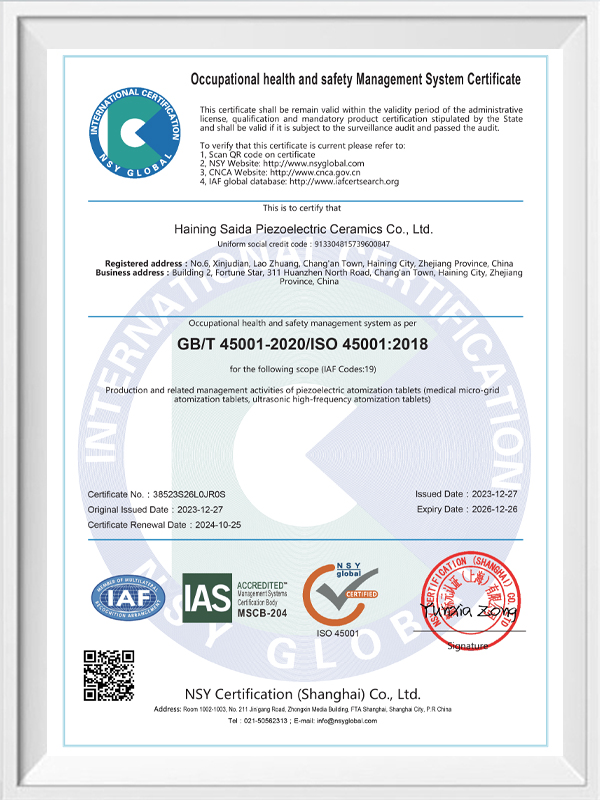
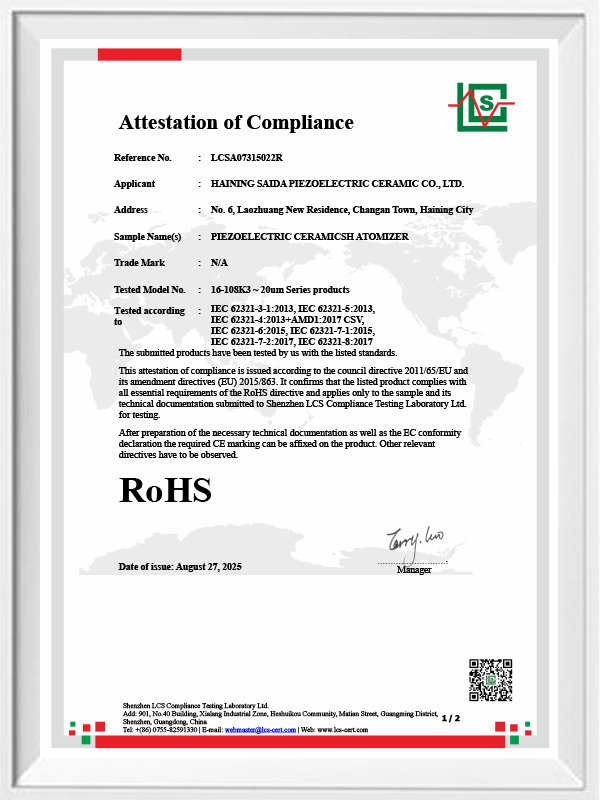
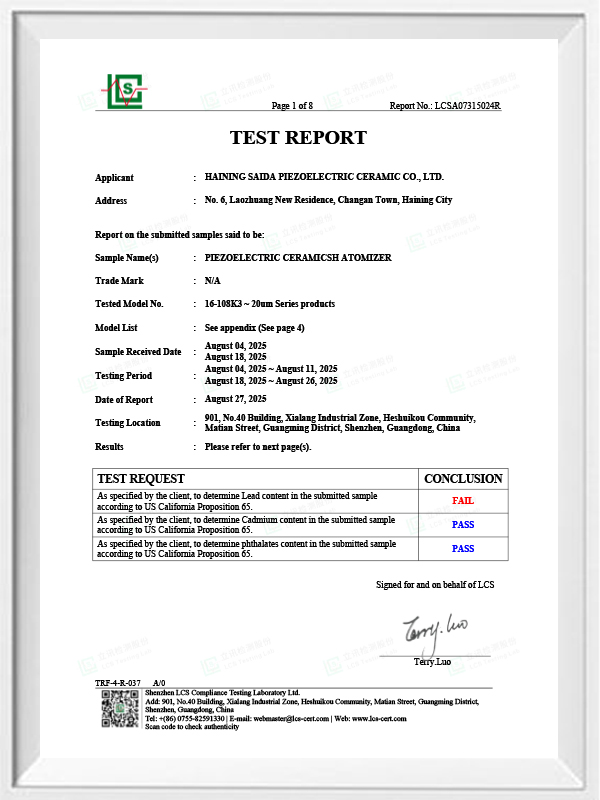
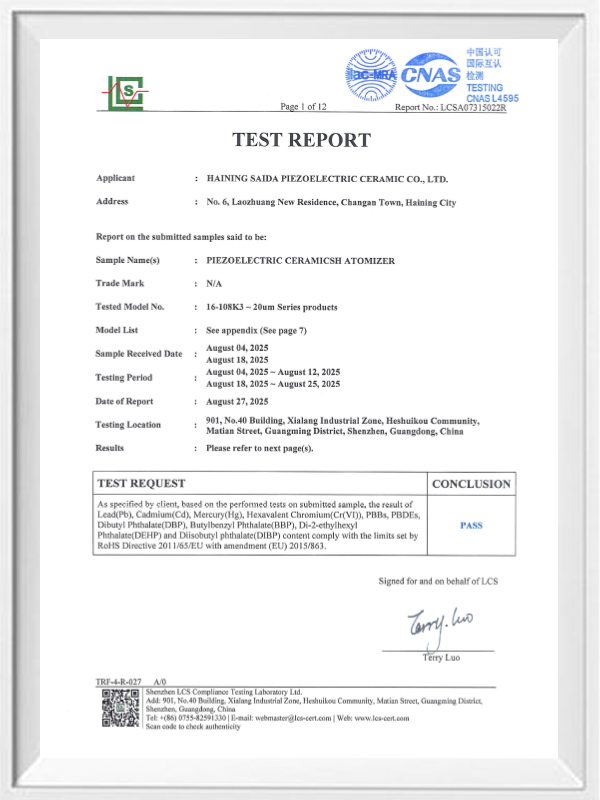
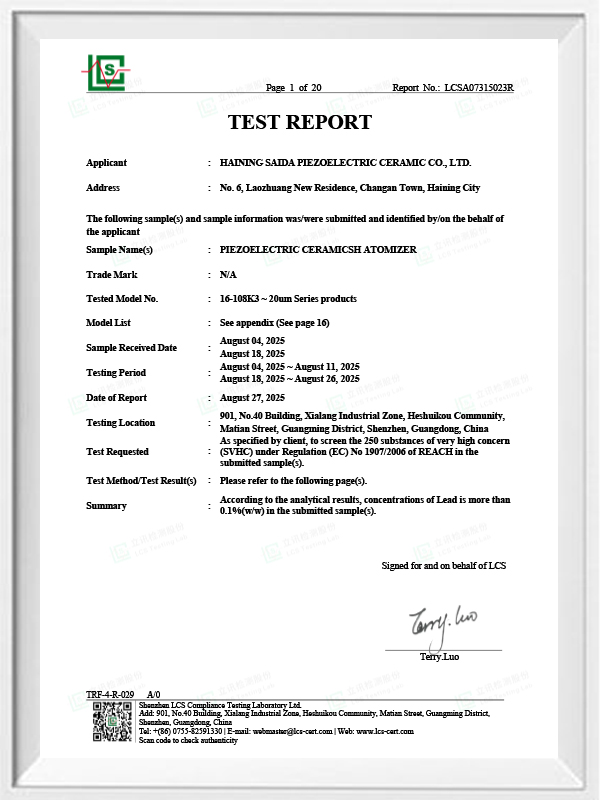
De medische inhaleerbare piëzo-elektrische verstuivingsseries van ons bedrijf hebben alle certificeringen doorstaan die vereist zijn voor exportnormen. Deze omvatten ROHS-certificering, ISO9001-kwaliteitssysteemcertificering, gezondheidssysteemcertificering GB/T45001-2020/ISO 45001:2018, GB/T28001-2001 idt OHSAS18001:1999 Arbeidsgezondheid en -veiligheidscertificering, milieusysteemcertificering GB/T24001-2016/ISO 14001:2015, California Proposition 65, REACH, en de medische verstuivingsproducten zijn ook gecertificeerd door de Amerikaanse FDA.
nieuws
-
Industrie nieuws
Waarom PCB-ontwerp van medische kwaliteit de prestaties va...
Waarom PCB-ontwerp de vernevelingsprestaties in medische apparaten definieert In een piëzo-verstuiver krijgt het trillende gaas of de schijf de aandacht. De printplaat wordt vaak behandeld als een ondersteune...
-
Industrie nieuws
Wat maakt Precision Laser Microvias doorslaggevend voor de...
Waar de nauwkeurigheid van microgaten de mistkwaliteit bepaalt Een piëzo-elektrische verstuiver zet elektrische energie om in een fijne spray door een dun metalen gaas met hoge frequentie te laten trillen. He...
-
Industrie nieuws
Hoe u de juiste mesh-vernevelaarchip voor medische apparat...
De mesh vernevelaarchip is veel meer dan een eenvoudig accessoire. Het is de technische kern die de aërosolefficiëntie, de consistentie van de medicijnafgifte, de levensduur van het apparaat en de nalevi...
Ultrasone hoogfrequente piëzo-verstuiver Uitbreiding van branchekennis
How to ensure the alignment and precise placement of FPC flexible circuit boards, piezoelectric ceramics and conductive films during the assembly of ultrasonic high-frequency piezoelectric atomizers disc?
The assembly of ultrasonic high-frequency piezoelectric atomizers is a complex and delicate process, in which the alignment and precise placement of FPC (flexible printed circuit board) flexible circuit boards, piezoelectric ceramics and conductive films are key steps to ensure the performance of atomizers. The precise assembly of these components not only affects the working efficiency of the atomizer, but is also directly related to its service life and reliability. The following will discuss in detail how to ensure the alignment and precise placement of these key components during the assembly process.
1. Understanding of component characteristics and functions
Before starting assembly, it is crucial to have a deep understanding of the characteristics and functions of each component.
FPC flexible circuit board: FPC flexible circuit board has the characteristics of light weight, thin thickness and bendability, and can provide complex circuit connections in a limited space. In the atomizer, FPC is responsible for transmitting electrical signals to piezoelectric ceramics and is a bridge for electrical signal transmission.
Piezoelectric ceramics: Piezoelectric ceramics are the core components of ultrasonic atomizers and have piezoelectric effect, that is, they can generate mechanical vibrations under the action of an external electric field. This vibration is the power source of the atomization process, and its frequency and amplitude directly affect the atomization effect.
Conductive film: Conductive film is a conductive film used to establish an electrical connection between FPC and piezoelectric ceramics. It must have good conductivity, adhesion and environmental resistance to ensure stable transmission of electrical signals.
2. The importance of precise alignment
During the assembly process, the alignment of FPC, piezoelectric ceramics and conductive film is crucial. Any slight deviation may lead to poor transmission of electrical signals, which in turn affects the performance of the atomizer. For example, if the alignment of FPC and piezoelectric ceramics is inaccurate, it may cause delay or loss of electrical signal transmission; if the conductive film is not placed correctly, it may cause poor electrical connection and even cause a short circuit.
3. Alignment and placement methods
In order to ensure the alignment and precise placement of FPC flexible circuit boards, piezoelectric ceramics and conductive films, the following measures can be taken:
Use precision positioning tools: During the assembly process, use precision positioning tools (such as positioning pins, positioning fixtures, etc.) to ensure the accurate alignment of each component. These tools can fix the position of the components to prevent them from moving during the assembly process.
Use visual assistance system: Use visual assistance systems such as microscopes or high-precision cameras to monitor the alignment of components in real time. This can not only improve the accuracy of assembly, but also detect and correct alignment deviations in a timely manner.
Optimize the assembly process: Develop a detailed assembly process and clarify the operating requirements and precautions for each step. Through process optimization, reduce alignment deviations caused by human factors and improve assembly efficiency and accuracy.
Train operators: Provide professional training for operators to familiarize them with the characteristics, assembly processes and operating requirements of components. Ensure the accuracy and stability of the assembly process by improving the skill level of operators.
4. Application and curing of conductive adhesive film
The application and curing of conductive adhesive film are also key links to ensure component alignment and precise placement.
Film selection: Select a suitable conductive adhesive film based on the working environment and performance requirements of the atomizer. Consider the conductivity, adhesion, temperature resistance, humidity resistance and other factors of the film to ensure that it can meet long-term use requirements.
Film cutting and placement: Use precision cutting tools to cut the conductive film into the required shape and size, and then accurately place it between the FPC and the piezoelectric ceramic. During the placement process, ensure that the film fits tightly to the surface of the component without bubbles or wrinkles.
Film curing: The conductive film needs to go through a curing process after placement to exert its conductive properties. According to the curing conditions of the film (such as temperature, time, etc.), a reasonable curing process is formulated. During the curing process, the temperature and time must be strictly controlled to ensure that the film can be fully cured and achieve optimal performance.
Wees de eerste die het weet
Voor exclusieve aanbiedingen en de nieuwste aanbiedingen kunt u zich aanmelden door hieronder uw e-mailadres in te voeren.
- Snelle links
- Product
- Over
- Sollicitatie
- Nieuws
- Contact
- Productlinks
- Medische Mesh Piezo-verstuiver
- Polymeer PI-film piëzo-verstuiver
- KNN Loodvrije Mesh Piezo Verstuiver
- PI Loodvrije Mesh Zeroing-chip
- Micro-mesh piëzo-verstuiver voor verwarming
- Piezo verstuiver voor ventilator/bevochtiging/schoonheid
- Ultrasone verstuivingstransducer
- Ultrasone hoogfrequente piëzo-verstuiver
- Sensor voor stroomopwekking/verwarming Piëzo-verstuiver
- Medisch piëzo-verstuiver PCB-ontwerp
- Precisielaserverwerkingstechnologie voor microgaten
- Contact
-
Gebouw 1, Fortune Star 2, No.311 Huanzhen North Road, Chang'an Town, Haining City, provincie Zhejiang, China.

-
+86-18006619680

-
+86-13777879680

-
Felix@saidapiezo.com

riney@saidapiezo.com
yugao@saidapiezo.com
emily@saidapiezo.com
dean@saidapiezo.com -
Felix: +86 18157327658

John: +86 18957351358
Emily: +86 18957339358
Dean: +86 15356418868
- Mobiel